What Happens to Items After an Estate Clean Out?
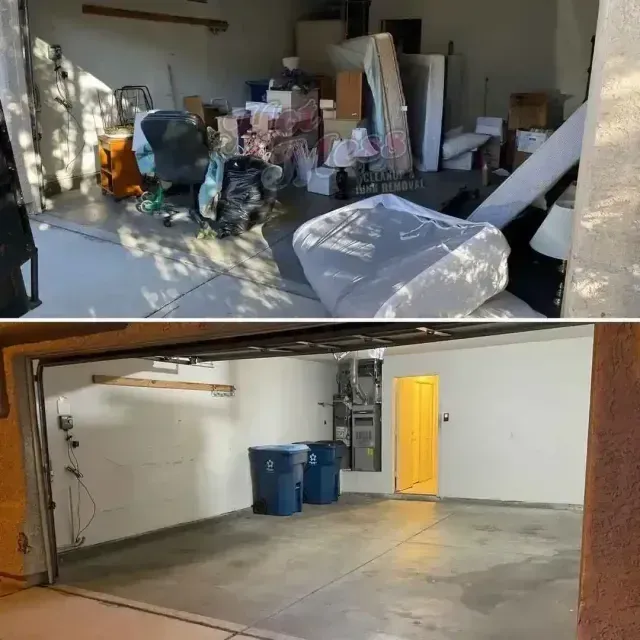
When an estate needs to be cleared, one of the most common questions is what happens to the belongings after everything is removed. An Estate Clean Out Las Vegas service may involve sorting furniture, appliances, household items, personal belongings, and other materials from a property. Understanding the possible destinations for these items can make the cleanout process easier to manage and help families make informed decisions.
Items removed during an estate cleanout do not necessarily all end up in the same place. Depending on their condition and type, belongings may be kept, donated, recycled, reused, sold, or disposed of properly. Knowing these options can also help property owners reduce unnecessary waste while preparing the home for its next purpose.
Items May Be Kept by Family Members
Some belongings removed during an estate cleanout may be valuable or meaningful to family members. Furniture, photographs, household decorations, books, kitchenware, and other personal items can be separated before the remaining property is cleared.
Family members may want to distribute certain belongings among relatives or keep specific items for sentimental reasons. Setting aside these possessions before the cleanout can make the process more organized and prevent unwanted items from being mixed with things that should be retained.
Usable Items May Be Donated
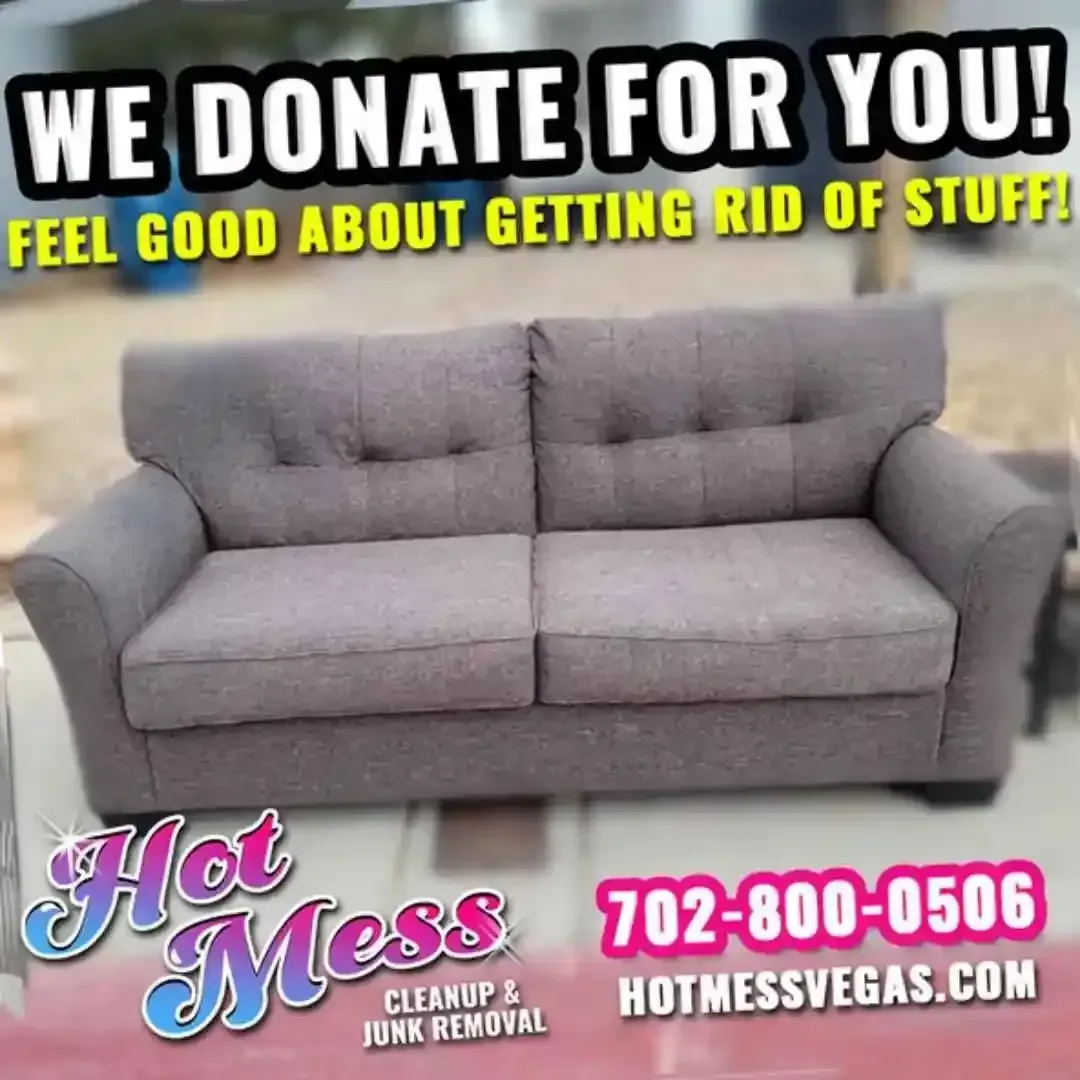
Items that are still in usable condition may be suitable for donation. Clothing, furniture, household goods, books, and other items can sometimes be given to charitable organizations or community programs that accept them.
Donation requirements vary between organizations. Some groups accept specific types of household goods, while others may have condition requirements or limitations on large items. Checking with the organization beforehand can help determine which belongings can be accepted.
Valuable Items May Be Sold
Certain estate belongings may have resale value. Furniture, collectibles, tools, appliances, electronics, artwork, and other items can potentially be sold if they are in suitable condition.
The selling process can take different forms, including private sales, estate sales, auctions, or online marketplaces. Families should consider the time and effort involved when deciding whether selling individual items is practical during an estate cleanout.
Recyclable Materials May Be Processed
Some materials removed from an estate can be recycled rather than sent directly to a landfill. Cardboard, paper, certain metals, electronics, and other accepted materials may have recycling options depending on local facilities and regulations.
Recycling requirements vary by material and location. Items should not automatically be placed in recycling containers because some materials require specialized handling or designated recycling facilities.
Damaged Items May Need Disposal
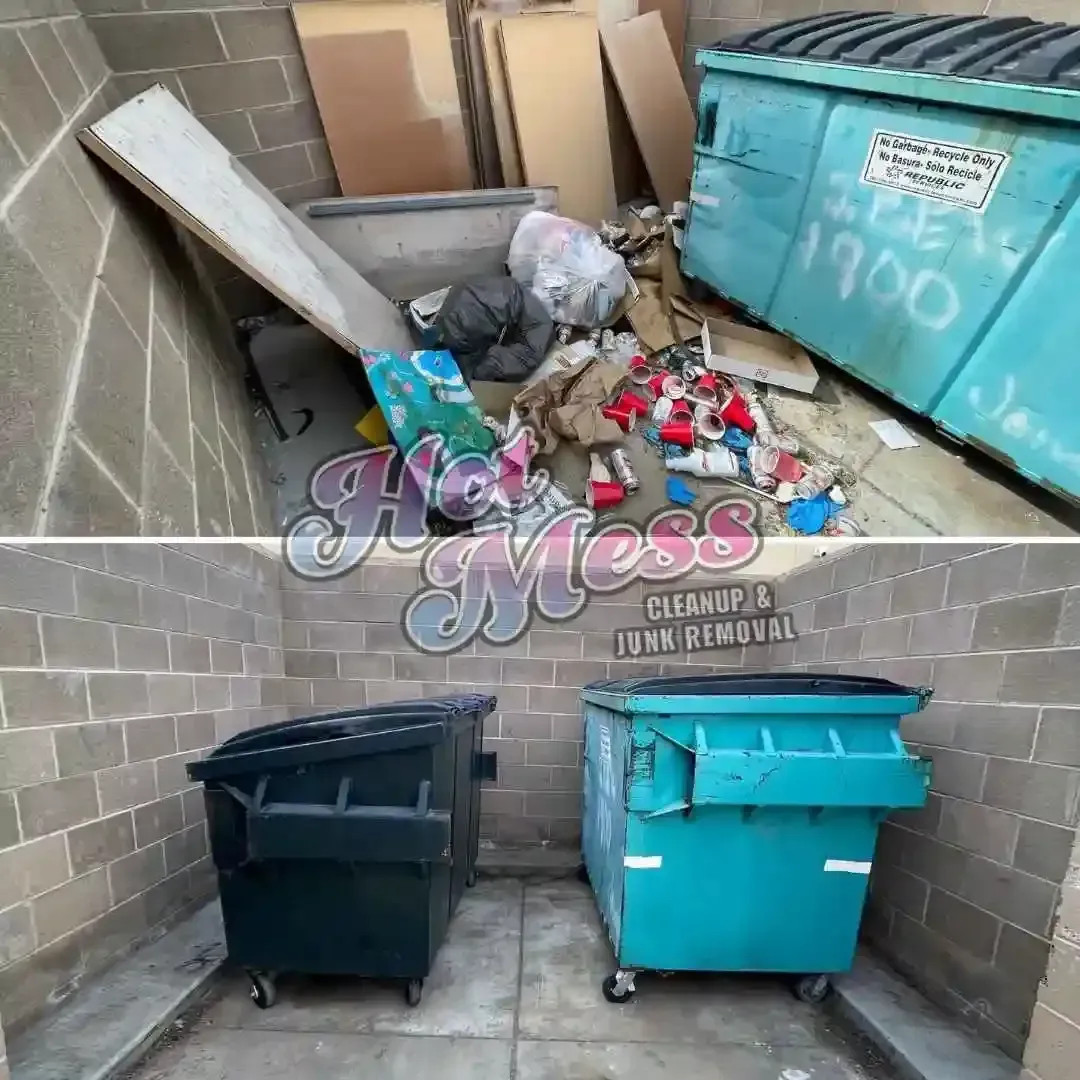
Not everything found during an estate cleanout can be reused or donated. Broken furniture, heavily damaged household goods, unusable materials, and other items may need to be disposed of through an appropriate waste-management method.
Proper disposal helps keep unwanted materials from being left on the property or handled incorrectly. Local disposal rules can also determine where certain materials can be taken and how they should be managed.
Hazardous Materials Require Special Handling
Some estates may contain materials that should not be handled like ordinary household junk. Paint, certain cleaning chemicals, batteries, fuels, and other potentially hazardous materials may have specific disposal requirements.
These materials should be identified during the sorting process. Depending on the item, local hazardous-waste programs or specialized disposal facilities may be appropriate. Following local requirements helps reduce environmental and safety risks.
Large Furniture May Be Reused or Disposed Of
Large items such as sofas, tables, beds, cabinets, and other furniture can take up considerable space during an estate cleanout. If these items are in usable condition, they may be donated, sold, or passed to another household.
Furniture that is broken or heavily damaged may instead require disposal. The final destination depends on the item's condition, material, and available disposal or reuse options.
Electronics May Have Separate Disposal Options
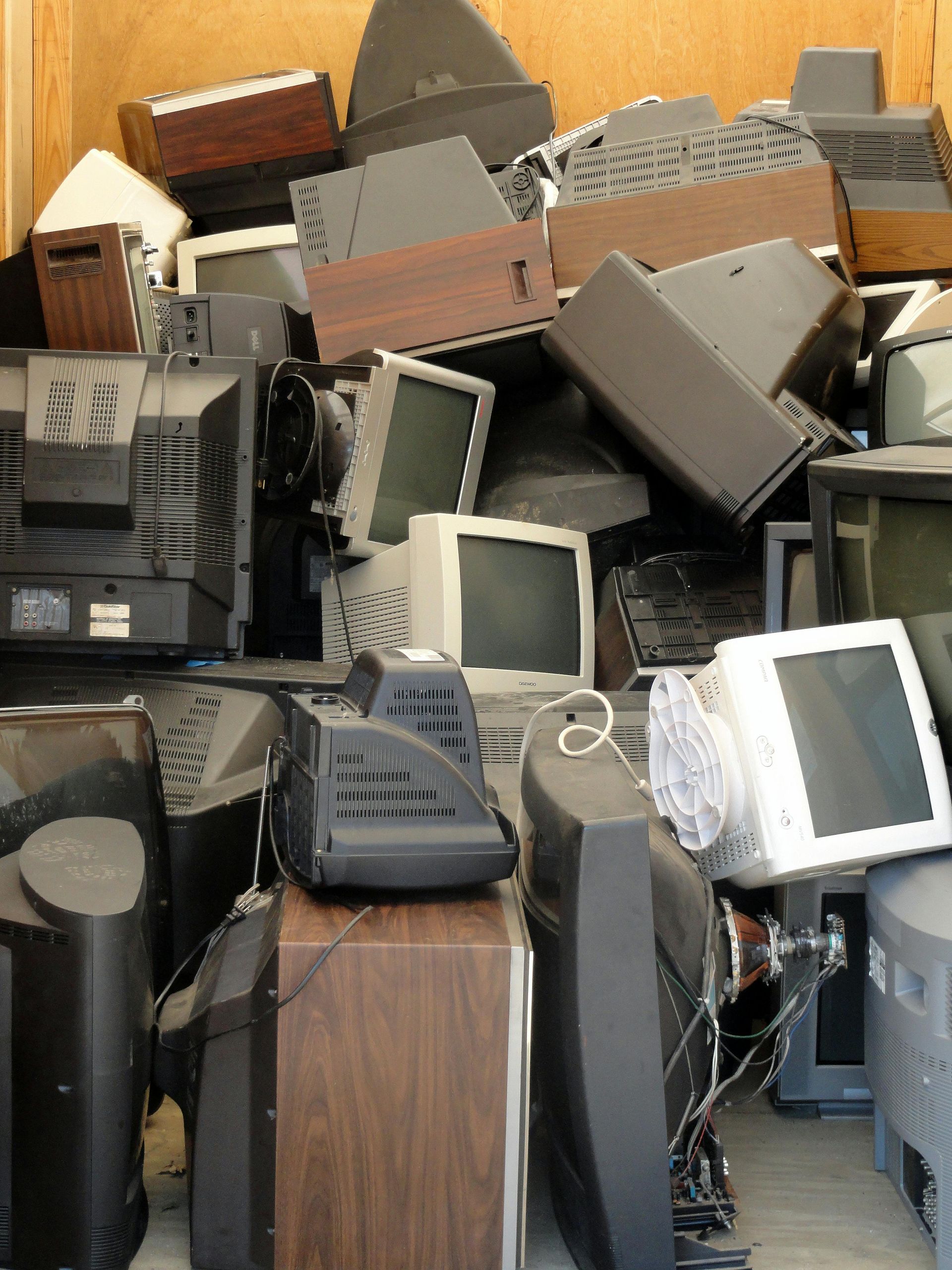
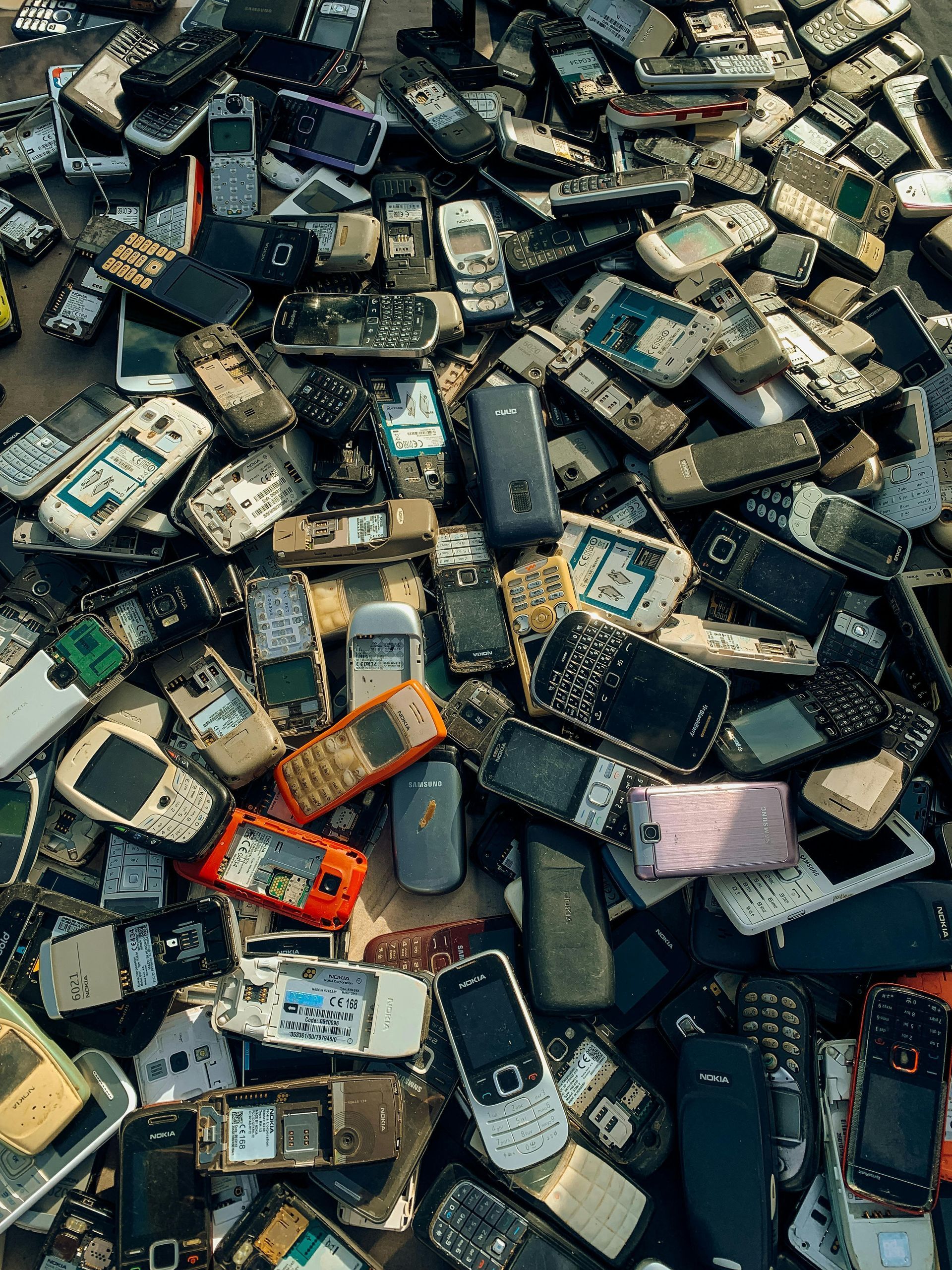
Old televisions, computers, printers, appliances, and other electronics may require different handling from ordinary household waste. Some electronics contain components or materials that make specialized recycling preferable.
During an Estate Clean Out Las Vegas project, electronics can be separated from general household items so they can be directed toward an appropriate recycling or disposal option. Local rules and facility requirements should be checked before transporting electronic waste.
The Property Can Be Left Ready for Its Next Use
Once unwanted belongings have been sorted and removed, the property may be easier to prepare for its next stage. Depending on the circumstances, this could mean preparing the home for sale, rental, renovation, transfer to another family member, or another use.
A thorough cleanout can also make it easier to identify remaining repairs or cleaning needs. Removing unnecessary items gives property owners and other responsible parties a clearer view of the space.
Choosing an Estate Cleanout Service
Choosing a company for an Estate Clean Out Las Vegas project involves considering what types of items need to be removed and how the property should be handled. It can be helpful to ask what materials the company accepts, how items are sorted, and whether reusable or recyclable belongings are handled separately.
Property owners should also clarify the scope of the service before work begins. Understanding what will be removed and how the process works can help prevent misunderstandings and make the cleanout more manageable.
Why Proper Sorting Matters
The destination of estate belongings often depends on their condition, material, value, and potential for reuse. Separating items before disposal can help ensure that usable belongings are not unnecessarily discarded and that materials requiring special handling receive appropriate attention.
For families dealing with an estate, this process can also reduce the amount of work involved in managing a property. A structured approach makes it easier to determine what should stay, what can be reused, and what needs to leave the property.
Conclusion
After an estate cleanout, items can have several different destinations depending on their condition and type. Family members may keep meaningful belongings, while usable furniture and household goods may be donated or sold. Recyclable materials can be directed to appropriate recycling facilities, while damaged or unsuitable items may require proper disposal. Electronics and hazardous materials may also need specialized handling.
For an Estate Clean Out Las Vegas project, planning the sorting and removal process can make property cleanup more organized and manageable. Hot Mess Cleanup & Junk Removal serves customers in Las Vegas and can help with removing unwanted items from estate properties. For questions about cleanout services or to discuss your property, contact Hot Mess Cleanup & Junk Removal at 702-800-0506.