What Happens to Items After an Estate Clean Out?
When a loved one passes away or moves into a different living arrangement, managing their belongings can become an emotional and time-consuming responsibility. An Estate Clean Out Las Vegas service can help families sort through household items, furniture, clothing, and other possessions while determining what should be kept, donated, recycled, or discarded. Understanding what happens to these belongings after removal can make the process easier to navigate.
Not everything collected during an estate cleanout automatically goes to a landfill. Depending on the condition of the items, local donation opportunities, recycling options, and the family's preferences, many belongings may find a new purpose. Other items may require special handling or responsible disposal.
Knowing how the process works also helps families make informed decisions before a property is cleared. Whether you are preparing a home for sale, managing an inherited property, or organizing a household after a major life transition, learning about the different destinations for unwanted belongings can help you plan the cleanout more effectively.
Items May Be Kept by Family Members
One of the first steps in an estate cleanout is identifying belongings that family members or beneficiaries want to keep. These may include photographs, family documents, jewelry, furniture, collectibles, or items with sentimental significance.
Families should review the property carefully before removal begins. Separating personal keepsakes and important paperwork helps reduce the risk of accidentally discarding something meaningful or necessary.
When several relatives are involved, discussing preferences early can make decisions easier. Setting aside selected belongings before scheduling an Estate Clean Out Las Vegas service also helps the cleanup team understand which items should remain in the home.

Usable Furniture May Be Donated
Furniture that remains in good condition may be suitable for donation. Tables, chairs, dressers, sofas, and other household furnishings can potentially benefit individuals or organizations that accept secondhand items.
Donation acceptance depends on each organization's requirements, available storage, and the condition of the furniture. Some organizations may not accept items with significant damage, stains, or structural problems.
Before the cleanout, families can contact local charitable organizations to confirm their current donation guidelines. Planning ahead helps identify which belongings may be donated instead of discarded.
Clothing and Household Goods Can Find New Uses
Clothing, kitchenware, linens, books, and small household accessories may also be suitable for reuse. Items in acceptable condition can sometimes be donated to charities, thrift stores, or other organizations that accept these materials.
Sorting these belongings by category makes it easier to identify what is clean, usable, and appropriate for donation. However, acceptance policies vary, and some organizations may have restrictions on specific products.
During an Estate Clean Out Las Vegas project, separating reusable goods from damaged or unsuitable items can help streamline removal. Families should confirm donation options before assuming that every unwanted item can be accepted.
Valuable Items May Need Separate Evaluation
Some estate belongings may have financial value beyond their everyday usefulness. Antiques, artwork, collectibles, precious metals, and certain furniture pieces may warrant an independent appraisal or evaluation before removal.
Families should avoid automatically treating potentially valuable possessions as ordinary household clutter. Reviewing these items before the property is cleared allows beneficiaries to make more informed decisions about keeping, selling, or distributing them.
If ownership or inheritance arrangements are unclear, consult the appropriate estate representative before selling or giving away property. Taking this precaution can help prevent disputes and protect the interests of everyone involved.
Recyclable Materials May Be Processed
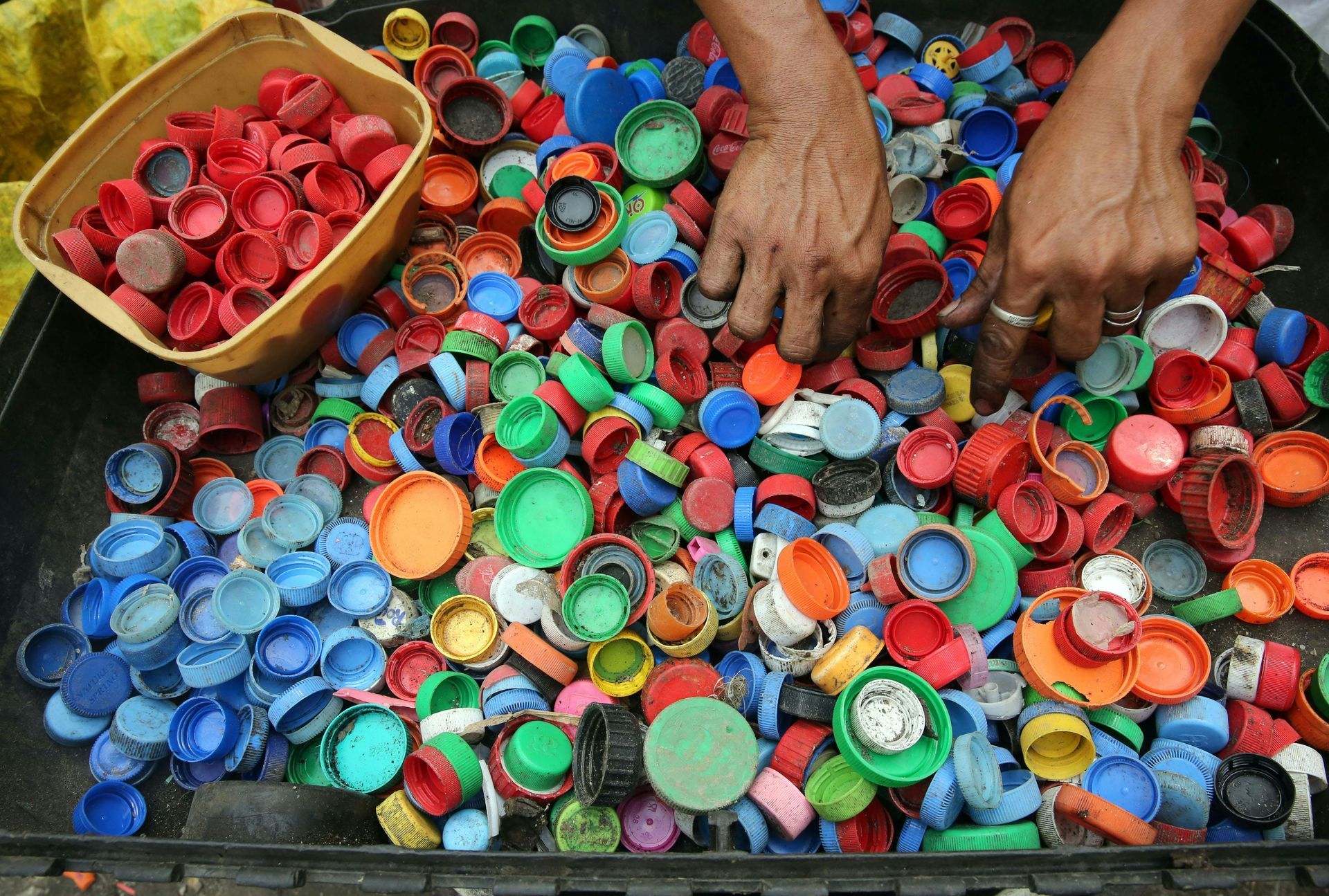
Certain materials collected during an estate cleanout may be recyclable rather than suitable for ordinary trash disposal. Depending on local facilities and accepted materials, these can include cardboard, paper, metal, and some plastics.
Proper sorting helps keep recyclable materials separate from general waste. However, recycling rules differ by material type, condition, and local facility, so not everything marked recyclable will necessarily be accepted.
Electronics, batteries, and other specialized materials may require designated collection programs. Checking local recycling guidelines helps families understand which items can be processed responsibly.
Damaged Items May Require Disposal
Not every possession can be reused, donated, or recycled. Broken furniture, heavily damaged household goods, contaminated materials, and unusable personal belongings may need to be disposed of through appropriate waste services.
The correct disposal method depends on the type of material and applicable local requirements. Certain items, including paint, chemicals, batteries, and other potentially hazardous household products, should not automatically be placed in regular trash.
A professional cleanup provider can help identify items requiring separate handling. Families should communicate any known concerns before removal begins so the appropriate arrangements can be made.
Electronics and Appliances Need Special Handling
Older televisions, computers, printers, refrigerators, and other appliances may require specific disposal or recycling arrangements. Electronic equipment can contain materials that should not be handled in the same way as ordinary household waste.
Some electronics may be suitable for reuse or refurbishment if they work properly and meet the recipient's requirements. Appliances may also need preparation before transport, depending on the equipment and applicable disposal rules.
Before scheduling an Estate Clean Out Las Vegas service, identify any large appliances or electronic devices on the property. Confirming how these items will be handled helps avoid delays and supports more responsible disposal.
Documents and Personal Information Must Be Protected
Estate properties often contain bank statements, tax records, medical paperwork, identification documents, and other sensitive information. These materials should be reviewed carefully before the home is cleared.
Important records may need to be retained by the estate representative, beneficiaries, or another authorized person. Documents that are no longer needed but contain personal information should be destroyed securely rather than simply placed with ordinary recyclables.
Families should also check filing cabinets, drawers, storage boxes, and desk compartments. A careful review can help protect privacy and prevent essential records from being lost during removal.
Professional Cleanout Services Help Organize Removal
Managing an entire property can involve sorting, lifting, transportation, donation coordination, and waste disposal. A professional cleanup provider can help streamline these tasks according to the agreed scope of service.
Before hiring a provider, ask which items they accept, whether donation drop-offs are available, how disposal is handled, and whether additional fees may apply. Services vary, so it is important to confirm the details rather than assume every provider follows the same process.
Why Planning Ahead Makes a Difference
Planning the cleanout before removal begins helps families make decisions with greater confidence. Start by identifying important documents, keepsakes, and belongings that beneficiaries want to retain, then separate items for possible donation, resale, recycling, or disposal.
It is also helpful to establish who has authority to approve the removal of estate property. Clear communication can prevent misunderstandings, especially when multiple family members or representatives are involved.

Frequently Asked Questions
What Happens to Furniture After an Estate Cleanout?
Furniture in suitable condition may be donated, sold, or reused, depending on its quality and available options. Damaged or unusable pieces may need appropriate disposal.
Can Items From an Estate Cleanout Be Donated?
Yes, many usable household items may be eligible for donation, depending on the organization's acceptance guidelines. Contact potential recipients before the cleanout to confirm which items they accept.
Are Valuable Items Removed During an Estate Cleanout?
Valuable possessions can be included in a cleanout, but families should identify and evaluate them before removal. Consult the estate representative and consider a qualified appraiser when appropriate.
What Happens to Electronics During an Estate Cleanout?
Working electronics may be suitable for reuse, while other devices may need specialized recycling or disposal. Local requirements and facility guidelines determine the appropriate handling method.
How Do I Arrange an Estate Cleanout in Las Vegas?
Begin by identifying items to keep and confirming who can authorize removal, then contact a local cleanup provider to discuss the property's needs. Ask about accepted items, scheduling, disposal practices, and pricing before proceeding.
Conclusion
Understanding what happens to belongings after an estate cleanout helps families make thoughtful decisions during a potentially difficult transition. Depending on their condition and value, items may be kept by relatives, donated, sold, recycled, or disposed of through appropriate waste services. Sensitive documents, electronics, and potentially hazardous materials may require additional attention.
Planning ahead is essential for protecting important possessions, reducing unnecessary waste, and making the property-clearing process more manageable. By identifying priorities and discussing removal arrangements with a qualified provider, families can approach the work with clearer expectations.
Need Estate Cleanout Help in Las Vegas?
Clearing an inherited home or managing a property after a major life change can involve more work than expected. Hot Mess Cleanup & Junk Removal can be contacted to discuss your estate cleanout needs and determine which removal services may be appropriate for your situation.
Call 702-800-0506 to ask about scheduling, accepted items, and service options in Las Vegas, NV. Discuss your priorities and the scope of the project to help establish a clear plan for moving forward.