Can I Schedule an Estate Clean Out After a Loved One Dies?
When a loved one dies, handling their belongings can be an emotional and time-consuming responsibility. An Estate Clean Out Las Vegas service can help families organize and remove unwanted items from a property when they are ready to begin the cleanup process. Depending on the circumstances, the property may contain furniture, appliances, clothing, household goods, personal items, and other belongings that need to be sorted.
Scheduling a cleanout does not necessarily have to happen immediately. Families may need time to make decisions, review important belongings, and coordinate with other relatives or the person responsible for the estate. Understanding when to schedule the service and what preparation may be needed can make the process more organized.
When Should You Schedule an Estate Clean Out?
There is no universal timeframe for scheduling an estate cleanout after a loved one dies. The appropriate timing depends on factors such as the family's needs, the condition of the property, and whether important belongings still need to be sorted.
Some families begin the process soon after arrangements have been made, while others wait until they have had enough time to go through personal possessions. Taking time to identify documents, photographs, valuables, and sentimental items can help prevent important belongings from being removed accidentally.
If the property needs to be emptied for a sale, rental, or other reason, scheduling may become more time-sensitive. In those situations, planning the cleanup after important items have been identified can help the process move forward efficiently.
Who Should Authorize the Cleanout?
Before scheduling an Estate Clean Out Las Vegas service, it is important to make sure the person arranging the cleanup has the appropriate authority to make decisions about the property and its contents.
Depending on the circumstances, this may involve an executor, administrator, trustee, property owner, or another legally authorized person. Family members should communicate with the person responsible for the estate before arranging the removal of belongings.
This step is particularly important when multiple relatives are involved. Establishing who can approve the removal of items can reduce misunderstandings and help ensure that possessions are handled according to the estate's instructions.
What Items Should Be Sorted First?
Before the cleanout begins, families should identify belongings that need to be kept. These may include legal documents, financial records, photographs, jewelry, personal letters, family keepsakes, or other items with sentimental or practical value.
It can help to separate belongings into categories such as keep, donate, sell, recycle, and remove. This gives everyone involved a clearer understanding of what should remain at the property and what can be taken away.
Important documents should receive particular attention. Items such as identification documents, insurance records, property information, and financial paperwork may need to be retained or handled separately rather than placed with general household items.
Can Furniture and Appliances Be Removed?
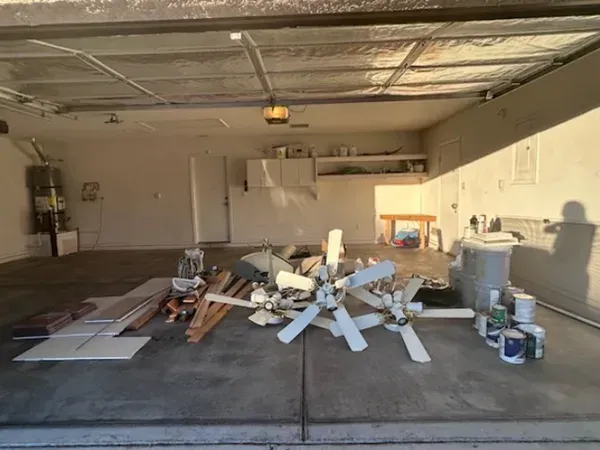
Many estate properties contain large household items that families may no longer need. Furniture, mattresses, appliances, cabinets, tables, chairs, and other bulky belongings can take considerable time and effort to move.
A professional Estate Clean Out Las Vegas service may be able to assist with removing eligible unwanted items from the property. Before scheduling, homeowners or estate representatives should discuss what types of materials need to be removed and whether there are any items that require special handling.
Knowing the approximate volume and type of belongings can also help the cleanup company understand the scope of the job. This information can make scheduling and planning more straightforward.
What If the Family Is Not Ready to Remove Everything?
Families do not necessarily have to remove every belonging at once. When several people are involved in the estate, relatives may need additional time to decide who wants particular possessions.
A partial cleanup can sometimes be considered if the property needs to be organized while certain belongings remain. For example, families may first remove unwanted furniture and household clutter while keeping personal items that still need to be reviewed.
Clear communication is important during this stage. Everyone involved should understand which items are approved for removal and which belongings must remain at the property.
How Should You Prepare the Property?
Preparing the property before the cleanout can make the process easier. Start by identifying rooms, closets, garages, storage areas, and other locations that contain belongings requiring attention.
Remove or set aside important personal items before the scheduled service arrives. Clearly identifying items that should not be removed can also help prevent accidental disposal.
If the property has restricted areas, fragile belongings, hazardous materials, or items requiring special attention, communicate this information in advance. Providing accurate details allows the cleanup provider to better understand the work involved.
Can an Estate Cleanout Be Scheduled for a Specific Date?
Yes, families can generally request a preferred date when arranging an estate cleanout, although availability can depend on the service provider's schedule. Planning ahead can be helpful when the property has a specific deadline.
For example, an estate representative may need to coordinate the cleanup with property maintenance, a real estate transaction, or other responsibilities. Booking the service after the family has completed its initial sorting can help avoid unnecessary delays.
When contacting a provider, explain the property's location, approximate amount of material, types of items involved, and preferred date. This information can help determine whether the requested schedule is practical.
What Happens to the Items After Removal?
What happens to removed belongings depends on their condition, type, and the policies of the cleanup provider. Some usable items may be suitable for donation, while other materials may require disposal or recycling.
Families who have specific preferences about unwanted belongings should discuss those expectations before the cleanout. If certain items should be donated, recycled, or handled separately, communicate those instructions during the scheduling process.
It is also important to understand that not every item can be donated or recycled. Certain materials may have disposal requirements, so asking the provider about accepted items beforehand can help families plan appropriately.
How Can Families Make the Process Easier?
An estate cleanout can involve both practical decisions and emotional considerations. Giving family members enough time to review meaningful belongings can make the process more manageable.
Creating a simple plan can help. Decide which items need to be kept, identify belongings that can be removed, and determine who has authority to approve the cleanup. Having these decisions made before the service arrives can reduce confusion.
For families dealing with a large property, professional assistance can also reduce the physical work involved in moving unwanted household items. A planned approach allows the cleanup to focus on the areas and belongings that actually need attention.
What Should You Ask Before Booking?
Before booking an Estate Clean Out Las Vegas service, ask about the types of items the company accepts, scheduling availability, the expected scope of work, and how removed materials are handled.
It is also useful to explain whether the property is a house, apartment, condominium, or another type of residence. Mentioning stairs, garages, storage areas, large furniture, or unusually heavy items can provide useful information for planning the job.
A clear conversation before scheduling helps both sides understand the cleanup requirements. Families should also confirm the appointment details and make sure the person arranging the service has authorization to approve the removal.
Conclusion
Scheduling an estate cleanout after a loved one dies can be done when the family or authorized estate representative is ready to begin removing unwanted belongings. There is no single timeframe that applies to every situation, so it is important to first identify important documents, sentimental possessions, and items that family members want to keep.
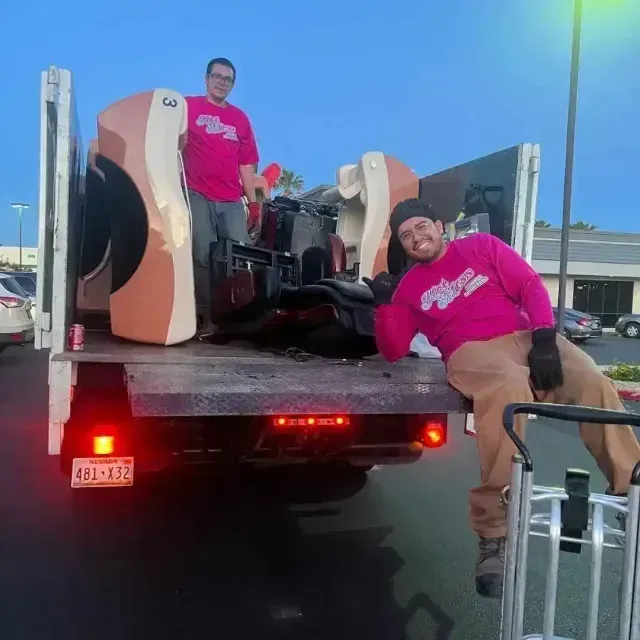
An organized approach can make the process easier by separating belongings before removal and communicating clearly about what should stay. For families who need assistance with household items, Hot Mess Cleanup & Junk Removal provides cleanup and junk removal services in Las Vegas. To discuss an estate cleanout and determine the appropriate next steps, contact Hot Mess Cleanup & Junk Removal at 702-800-0506.