Can I Schedule an Estate Clean Out After a Loved One Dies?
Losing a loved one can be emotionally challenging, and managing their belongings may add another layer of stress during an already difficult time. Families often need to prepare a home for sale, organize personal possessions, or clear a property for future use. Understanding when to arrange an Estate Clean Out Las Vegas service can help make these responsibilities more manageable while allowing family members time to focus on what matters most.
In many situations, an estate cleanout can be scheduled shortly after a death, but the appropriate timing depends on the family's needs, property arrangements, and any legal responsibilities involving the estate. Some families prefer to begin soon, while others need additional time to sort through meaningful belongings and make important decisions.
Knowing what to consider before scheduling a cleanup can help prevent unnecessary pressure and confusion. From coordinating with family members to identifying items that should be preserved, a thoughtful approach allows the process to move forward respectfully and efficiently.
When Can You Schedule an Estate Cleanout?
You can generally begin planning an estate cleanout after a loved one dies, but the actual work should be coordinated with the person legally authorized to manage the property. This may be an executor, administrator, surviving owner, or another authorized representative, depending on the circumstances.
There is no universal waiting period for every estate. Some families arrange an appointment within days, while others wait until memorial services, legal paperwork, or family discussions are complete. Before booking, confirm that the person arranging the service has permission to authorize the removal of belongings.

Why Timing Matters After a Loss
The timing of a cleanout can affect several practical responsibilities, including preparing a home for sale, managing ongoing property expenses, or meeting a landlord's requirements. Planning ahead can help families understand their options without making rushed decisions.
However, emotional readiness matters too. Family members may need time to identify sentimental possessions, review documents, and agree on what should happen to furniture and household items. Choosing a realistic schedule allows these decisions to happen thoughtfully while keeping property-related responsibilities in view.
Check Legal and Property Responsibilities
Before removing belongings, determine who has authority over the estate and whether probate or other legal procedures apply. If the property is part of an estate undergoing probate, the executor or administrator may need to follow specific requirements before disposing of assets.
It is also important to establish whether the home is owned, rented, jointly owned, or subject to other agreements. Contact the appropriate attorney, property manager, or estate representative if you are uncertain about the rules. Confirming these details beforehand can help avoid disagreements and prevent the removal of property without proper authorization.
Sort Belongings Before the Cleanup
Sorting possessions before the scheduled appointment can make the cleanout more organized. Identify important documents, photographs, jewelry, financial records, family heirlooms, and other personal items that should be reviewed or kept separately.
Families can also decide which belongings may be donated, recycled, retained, or discarded. If several relatives are involved, communicate clearly about which items have sentimental or financial significance. Marking items that should remain in the home can reduce misunderstandings and help the cleanup team focus on the belongings approved for removal.
What Does an Estate Cleanout Include?
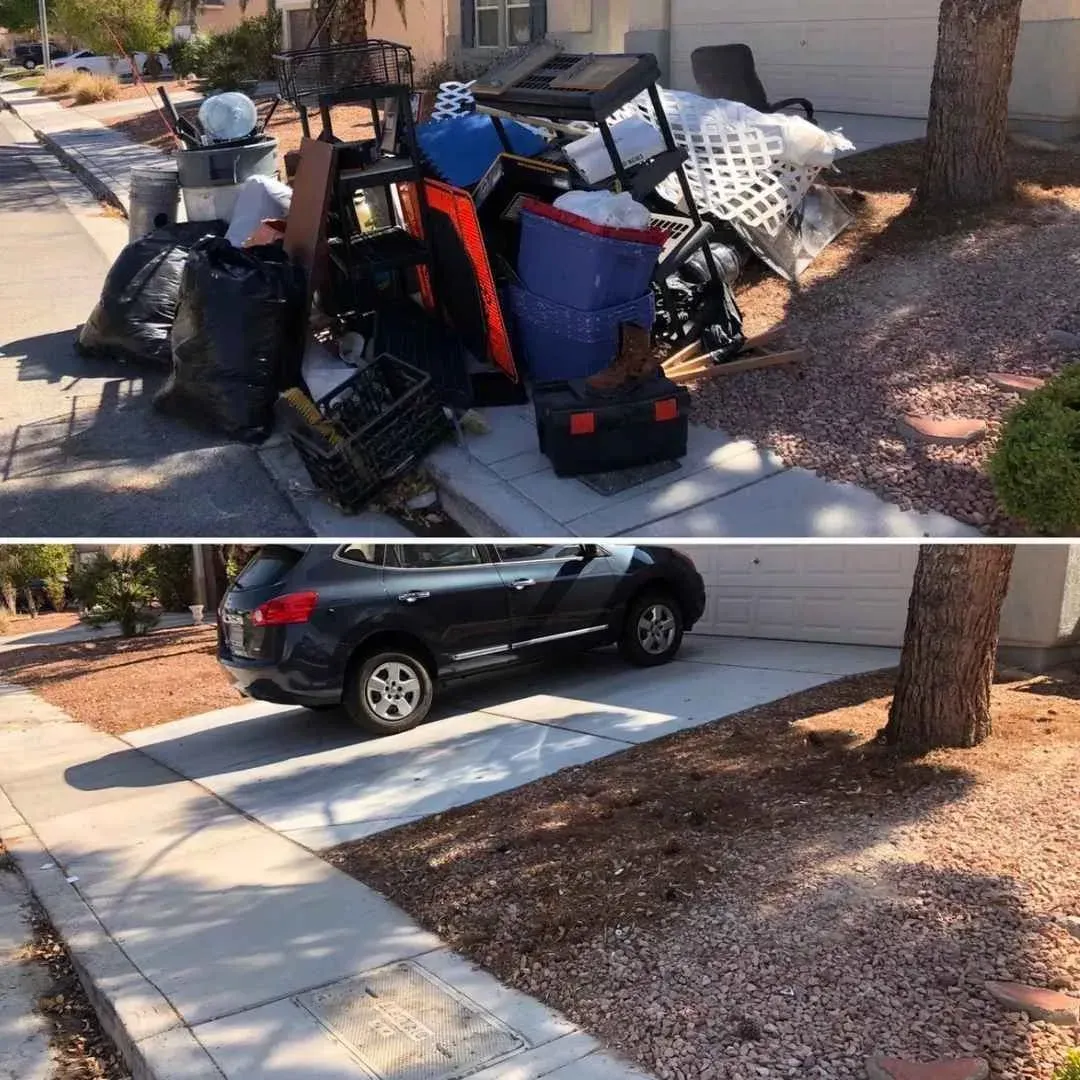
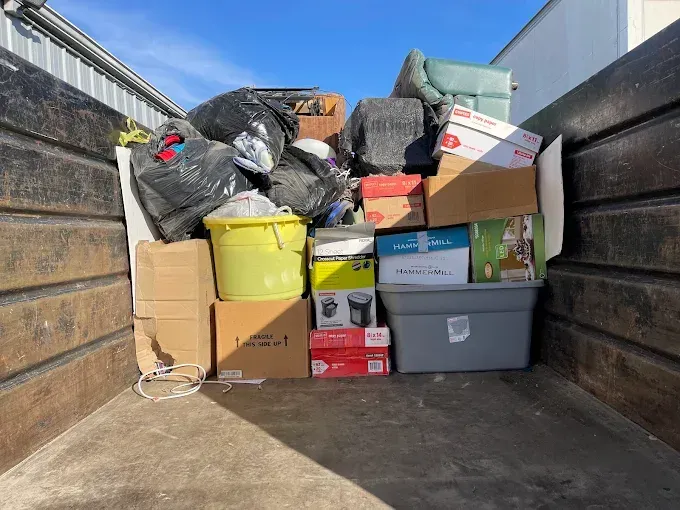
An estate cleanout typically involves removing unwanted household belongings from a property. Depending on the agreed scope of work, this may include furniture, clothing, appliances, boxes, and miscellaneous household clutter.
The exact services vary by provider, so discuss the property's condition and your expectations before scheduling. Some cleanouts involve only selected rooms, while others require clearing most of the home. Ask whether labor, transportation, disposal, and donation drop-offs are included, and confirm how special items or materials requiring separate handling will be managed.
How to Prepare the Property
Before the appointment, gather any belongings that must remain and place them in a designated area. Make sure the service provider can access the rooms, garage, storage spaces, or other areas included in the agreement.
If possible, explain any access restrictions, parking considerations, or fragile areas in advance. Sharing photographs of the property may help the provider understand the volume of items involved and determine whether an on-site assessment is necessary. Good preparation can reduce delays and help the appointment proceed according to plan.
How to Choose an Estate Cleanout Company
Choose a provider that communicates clearly, explains its services, and treats the situation with professionalism and respect. Ask about scheduling availability, pricing, disposal practices, and whether the company can handle the volume and type of belongings involved.
For families arranging Estate Clean Out Las Vegas services, it is useful to request an estimate based on the property's size, accessibility, and the amount of material to be removed. Confirm what the quote covers and ask about any additional charges before authorizing the work. Clear expectations can help families make informed decisions during a stressful period.
What Affects the Cost of an Estate Cleanout?
Estate cleanout costs depend on several factors, including the amount of clutter, the size of the property, the type of items being removed, and the labor required. Stairs, limited access, heavy furniture, and special disposal requirements may also influence the final price.
To understand the expected expense, describe the property accurately when requesting an estimate. Ask whether pricing is based on volume, labor, or another method, and confirm whether transportation and disposal fees are included. Comparing estimates based on similar services can help you evaluate options without relying solely on the lowest quoted price.
Handling Donations and Responsible Disposal
Not every item removed from an estate needs to be thrown away. Furniture, clothing, kitchenware, and other usable possessions may be suitable for donation, depending on their condition and the receiving organization's requirements.
Separate recyclable materials where practical and ask the cleanup provider about its disposal procedures. Some items, such as certain electronics, chemicals, or other regulated materials, may require special handling. Before authorizing removal, ensure that valuable belongings and items intended for donation have been identified and that the estate representative has approved the proposed arrangements.

Frequently Asked Questions
Can I Schedule an Estate Cleanout Immediately After a Death?
Yes, you can begin arranging the service, provided the person authorizing the work has the appropriate permission. The timing should also allow for important belongings to be identified and any legal requirements to be addressed.
Do I Need to Empty the House Before the Cleanout Team Arrives?
No, many estate cleanout providers remove approved belongings directly from the property. You should, however, separate important documents, valuables, and possessions that must remain.
How Long Does an Estate Cleanout Take?
The time required depends on the home's size, the volume of belongings, accessibility, and the agreed scope of work. Ask the provider for an estimated timeframe after discussing the property.
Should Family Members Sort Everything Before Scheduling?
Sorting important and sentimental items beforehand is helpful, but you may not need to organize every possession. Confirm with the provider which preparation tasks are necessary for your specific service.
Can an Estate Cleanout Help Prepare a Home for Sale?
Yes, removing unwanted furniture and household items can help prepare a property for its next stage. Repairs, deep cleaning, and other real estate preparation services may need to be arranged separately.
Conclusion
Scheduling an estate cleanout after a loved one dies is often possible, but the right timing depends on legal authority, property responsibilities, family needs, and emotional readiness. Taking time to identify important belongings, coordinate with relatives, and clarify the scope of work can make the process more manageable. Choosing a provider that communicates clearly and explains its pricing also helps you understand what to expect.
Whether you need to clear a few rooms or prepare an entire home for its next chapter, planning ahead can reduce unnecessary stress. Families in Las Vegas can explore professional assistance to handle approved household removals while keeping personal priorities in mind. A respectful, organized approach allows you to address practical responsibilities without overlooking the importance of preserving meaningful possessions.
Need Help With an Estate Cleanout in Las Vegas?
Managing a property after a loss can feel overwhelming, especially when there are many belongings to sort through. Hot Mess Cleanup & Junk Removal can be a contact option for discussing your estate cleanout and household junk removal needs in Las Vegas, NV.
Call 702-800-0506 to discuss your property, explain what needs to be removed, and ask about scheduling and estimates. Taking the first step toward an organized cleanout can help you move forward at a pace that works for your family and the property's needs.