What Happens to Junk After It Is Removed in Las Vegas?
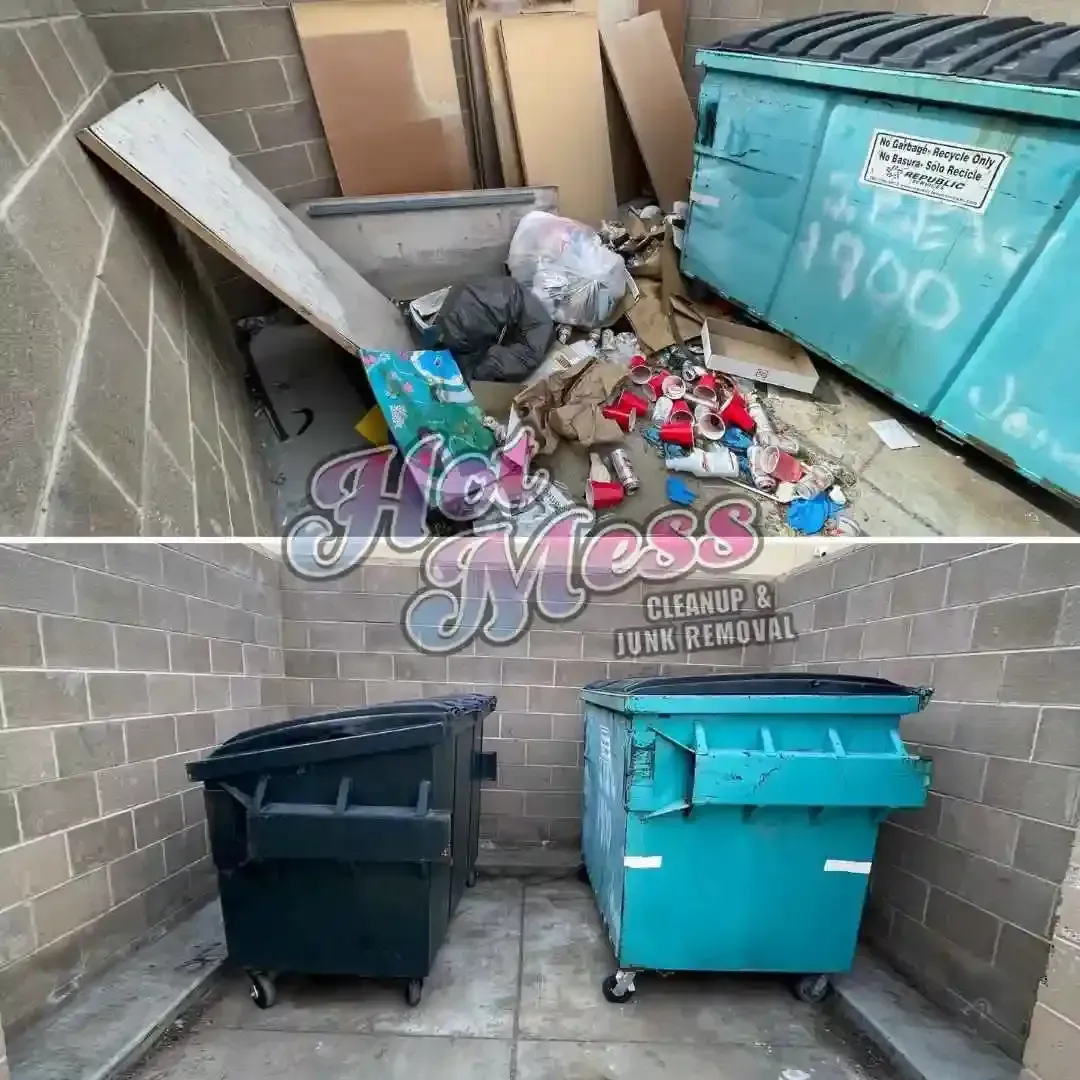
When homeowners and businesses schedule Junk Removal Las Vegas services, one common question often follows: what actually happens to all that unwanted junk after it leaves the property? Many people assume everything ends up in a landfill, but the process is often much more complex and environmentally responsible. Professional junk removal companies sort, recycle, donate, and properly dispose of various materials to reduce waste and support sustainability efforts.
Understanding the journey of removed junk matters because it impacts the environment, local communities, and the overall effectiveness of waste management systems. From reusable furniture and electronics to construction debris and household clutter, every item follows a specific path after collection. In this guide, we'll explore what happens to junk after it is removed in Las Vegas and how responsible disposal practices help keep the city cleaner and more sustainable.
The First Step: Collection and Transportation
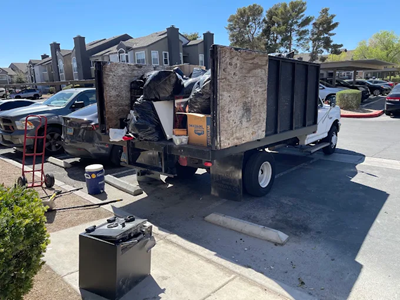
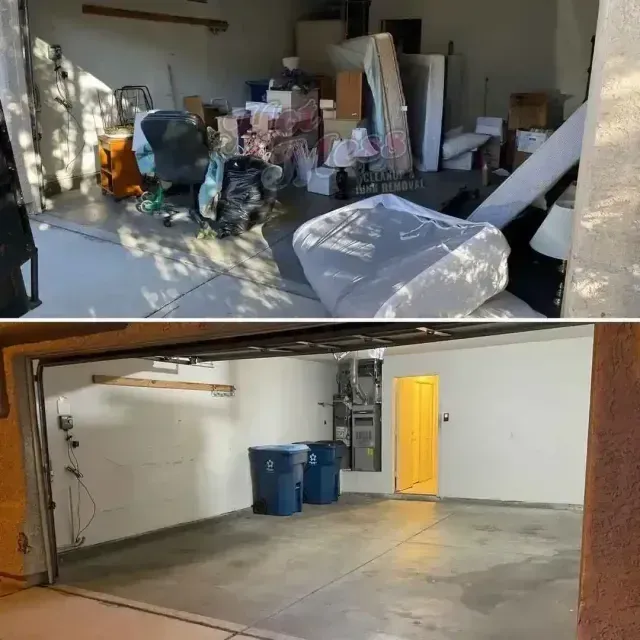
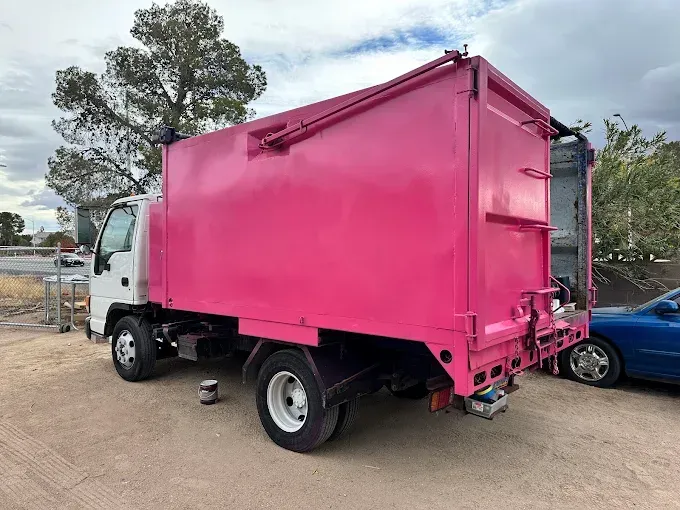
The junk removal process begins with collection from residential, commercial, or construction properties. Professional crews arrive at the location, assess the materials that need removal, and carefully load everything onto specialized trucks. This stage is designed to ensure safe handling while preventing damage to the surrounding property.
Once the items are loaded, they are transported to a sorting facility, recycling center, donation center, or disposal site depending on the type of materials collected.
Professional junk removal companies do not simply dump everything into one location. Instead, they separate items based on their condition, recyclability, and disposal requirements.
Transportation plays a critical role in responsible waste management. Efficient routing and handling reduce fuel consumption and improve operational efficiency. Many reputable companies prioritize environmentally conscious transportation practices to minimize their environmental footprint.
The collection phase also allows removal teams to identify hazardous or restricted materials that require specialized disposal methods. This helps ensure compliance with local regulations and environmental standards.
Sorting and Categorizing Removed Items
After transportation, the next step involves sorting all collected materials. This stage determines which items can be recycled, donated, repurposed, or disposed of. Proper sorting significantly reduces the amount of waste sent to landfills.
Workers carefully separate materials such as metals, wood, plastics, cardboard, electronics, appliances, and furniture. Items that remain in good condition are often set aside for donation or reuse. Materials that have recycling value are grouped together and prepared for processing.
Sorting facilities use both manual labor and specialized equipment to improve efficiency. The goal is to maximize resource recovery while minimizing environmental impact. This process is particularly important in a growing city like Las Vegas, where waste management demands continue to increase.
Many materials that appear worthless still contain valuable components. For example, old appliances may contain recyclable metals, while wooden furniture can sometimes be repaired or repurposed. Through careful categorization, junk removal providers help extend the lifespan of useful materials and reduce unnecessary landfill use.
How Recycling Centers Process Junk
Recycling is one of the most significant destinations for items collected through Junk Removal Las Vegas services. Recycling facilities receive sorted materials and process them into raw resources that manufacturers can use again.
Metals such as steel, aluminum, and copper are among the most valuable recyclable materials. These metals are cleaned, shredded, and melted down before being transformed into new products. Plastics undergo sorting by type before being processed into reusable pellets for manufacturing.
Paper products and cardboard are compressed into bales and sent to paper mills for recycling. Glass materials are crushed and melted to create new containers or construction materials. Each recycling stream follows a unique process designed to maximize material recovery.
Recycling helps conserve natural resources by reducing the need for raw material extraction. It also decreases energy consumption and greenhouse gas emissions associated with manufacturing new products.
Donation Opportunities for Usable Items
Not all removed junk is actually junk. Many items collected during cleanouts remain functional and useful. Furniture, clothing, household goods, appliances, and electronics are often suitable for donation.
Donation centers and charitable organizations frequently partner with junk removal providers to redirect usable items to individuals and families in need. This creates a positive community impact while reducing waste.
Items must typically meet certain condition standards before they can be donated. Clean, functional, and safe products are more likely to be accepted. Donation programs help extend product lifecycles and prevent valuable resources from entering landfills prematurely.
For many households and businesses, donation offers a meaningful alternative to disposal. Instead of discarding perfectly usable items, property owners can support local charities and community organizations.
What Happens to Electronics and E-Waste?
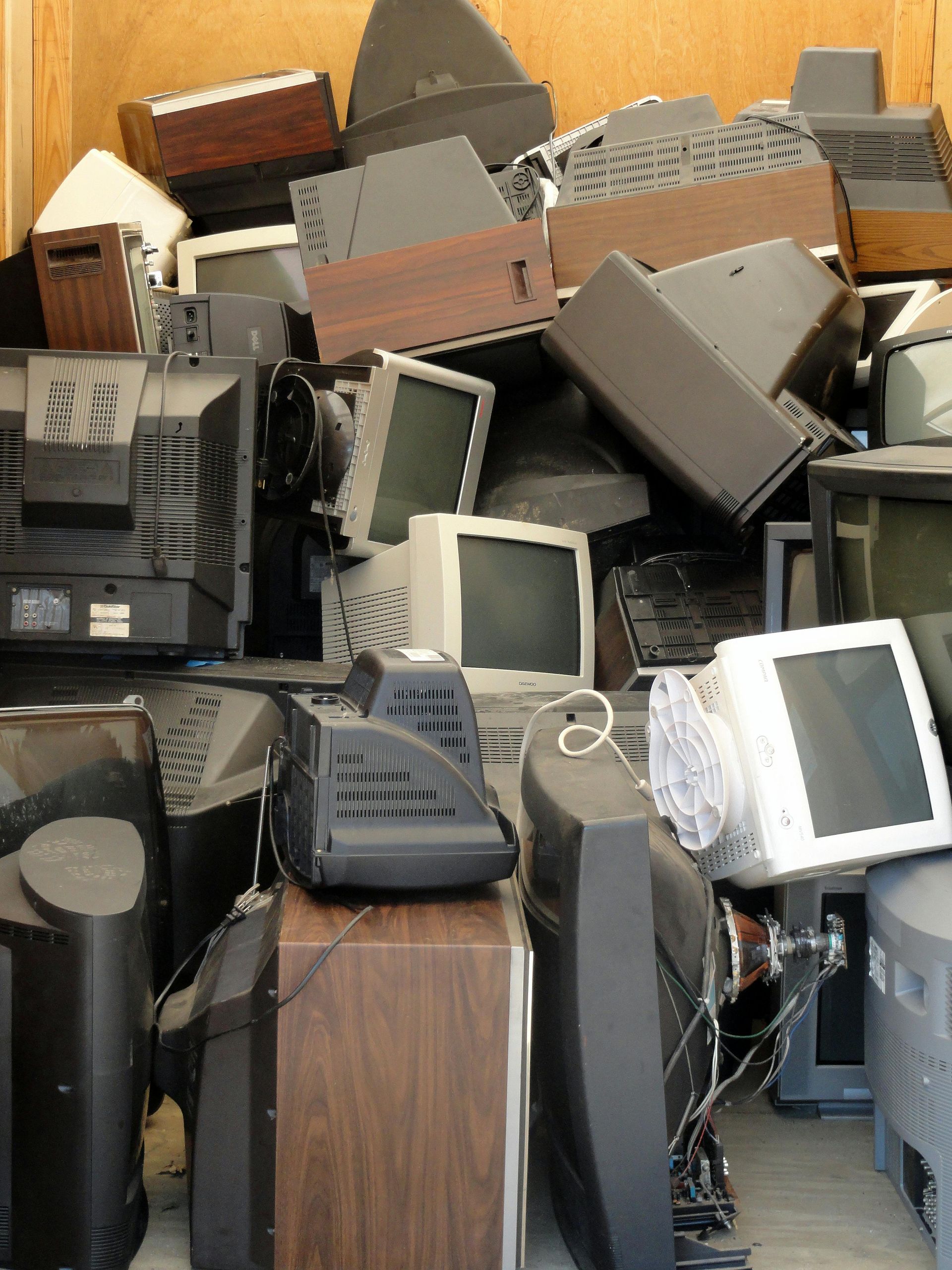
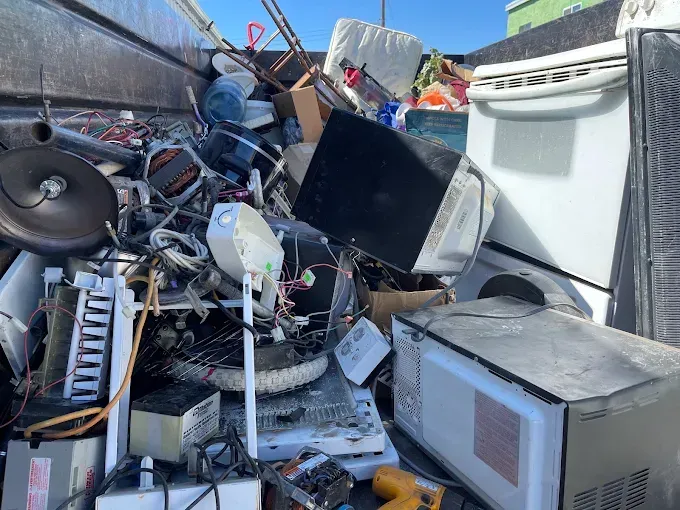
Electronic waste requires specialized handling due to its complex components and potential environmental risks. Computers, televisions, printers, smartphones, and other devices often contain materials that cannot be disposed of through standard waste channels.
E-waste recycling facilities carefully dismantle electronics to recover valuable materials such as copper, aluminum, gold, and other metals. Components that contain hazardous substances are isolated and processed according to environmental regulations.
Proper e-waste disposal prevents toxic materials from contaminating soil and groundwater. It also reduces the demand for newly mined resources by recovering reusable materials from old devices.
As technology continues to evolve, electronic waste remains one of the fastest-growing waste categories. Professional junk removal providers help ensure these items reach certified recycling facilities instead of ending up in landfills.
Construction Debris and Building Materials
Construction and renovation projects generate large amounts of debris. Common materials include drywall, wood, concrete, roofing materials, tiles, and metal scraps. These materials require separate handling from household junk.
Many construction materials can be recycled or repurposed. Concrete may be crushed and reused as aggregate for future construction projects. Metal components are often sent directly to recycling facilities. Wood can sometimes be processed into mulch or other secondary products.
Professional junk removal companies assess construction debris carefully to determine the most responsible disposal method. Proper handling helps reduce landfill volume while supporting sustainable building practices.
Construction waste management is especially important in rapidly developing cities like Las Vegas. Effective recycling and reuse programs help reduce environmental impacts associated with growth and development.
Landfill Disposal as a Last Resort
Despite extensive recycling and donation efforts, some materials cannot be reused or recycled. In these cases, landfill disposal becomes necessary. Responsible junk removal companies view landfill use as a last resort rather than a primary destination.
Items that are contaminated, damaged beyond repair, or composed of non-recyclable materials often require disposal. Modern landfill facilities operate under strict environmental regulations designed to minimize environmental risks.
Landfills use engineered systems to manage waste safely, including liners, drainage systems, and monitoring programs. These safeguards help protect groundwater and surrounding ecosystems.
Reducing landfill dependence remains a major goal of modern waste management strategies. Through recycling, donation, and material recovery efforts, junk removal companies significantly decrease the volume of waste sent to disposal sites.
Environmental Benefits of Responsible Junk Removal
Responsible junk removal creates substantial environmental benefits for communities and ecosystems. Every item diverted from a landfill through recycling or donation helps reduce environmental strain.
Recycling conserves natural resources, reduces energy consumption, and lowers greenhouse gas emissions. Donation programs extend product lifecycles and decrease demand for new manufacturing. Proper hazardous waste handling protects air, water, and soil quality.
The environmental impact becomes especially significant when large volumes of waste are managed correctly. Businesses and homeowners who choose professional junk removal services contribute directly to sustainability initiatives.
Las Vegas faces unique environmental challenges due to its desert location and growing population. Effective waste diversion programs help preserve resources while supporting long-term environmental goals.
Why Professional Junk Removal Matters
Professional junk removal services provide expertise, efficiency, and compliance that individual disposal efforts often cannot match. Trained crews understand local regulations, recycling opportunities, and safe disposal practices.
When property owners use Junk Removal Las Vegas professionals, they gain access to established networks of recycling centers, donation facilities, and specialized disposal providers.
This ensures materials are directed to the most appropriate destinations.
Professional services also save time and reduce safety risks. Heavy lifting, transportation logistics, and hazardous material handling can present challenges for individuals without proper equipment or training.
Beyond convenience, professional junk removal promotes environmental responsibility. Companies committed to sustainable practices actively work to reduce landfill waste and maximize material recovery.
Conclusion
Understanding what happens after junk is removed reveals the important role professional waste management plays in protecting the environment and supporting local communities. Items collected through Junk Removal Las Vegas services typically go through a detailed process that includes sorting, recycling, donation, material recovery, and responsible disposal. These efforts help reduce landfill waste while conserving valuable resources.
Whether it's furniture, electronics, construction debris, or household clutter, each item follows a path designed to maximize reuse whenever possible. Choosing a reputable provider ensures your unwanted items are handled responsibly and sustainably. If you need dependable junk removal assistance in Las Vegas, contact Hot Mess Cleanup & Junk Removal at 702-800-0506. Their team is committed to helping residents and businesses remove unwanted items while supporting environmentally responsible disposal practices throughout Las Vegas.
https://www.podomatic.com/podcasts/warrengriffin1991podcast/episodes/2026-07-22T06_46_14-07_00
https://stream.redcircle.com/episodes/be5fccfe-bdc4-4f64-a847-6f2d7b4ab18a/stream.mp3